Strategy / 6 min read /
Experiential Marketing in 2026: Beyond the Photo Op
Published by XR Experience · Industry analysis
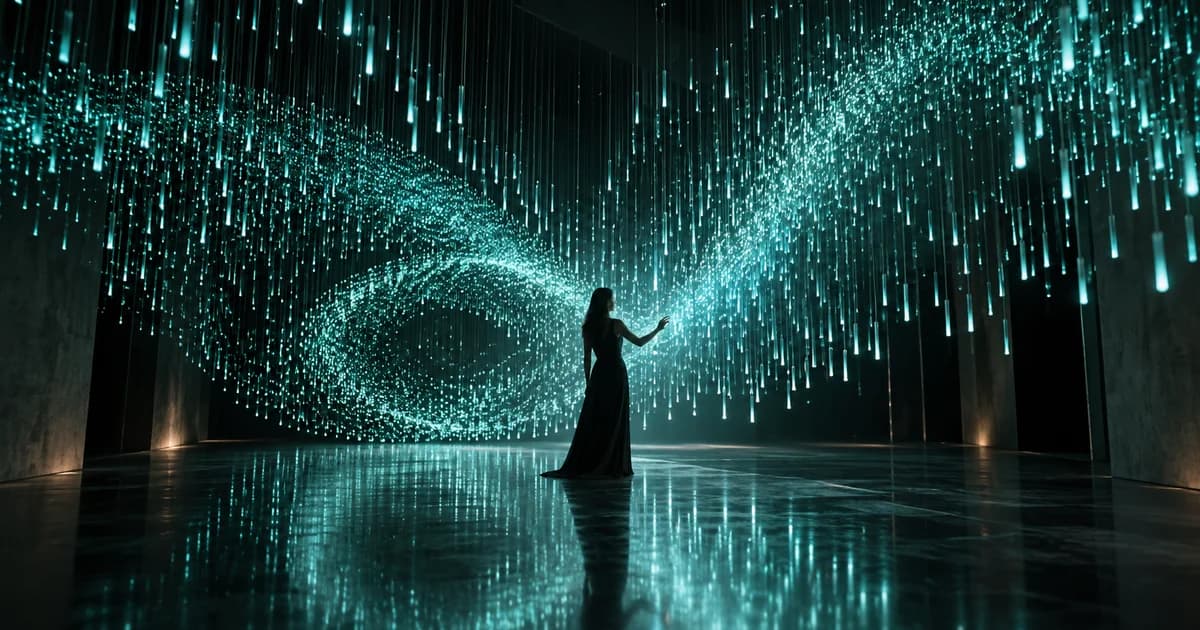
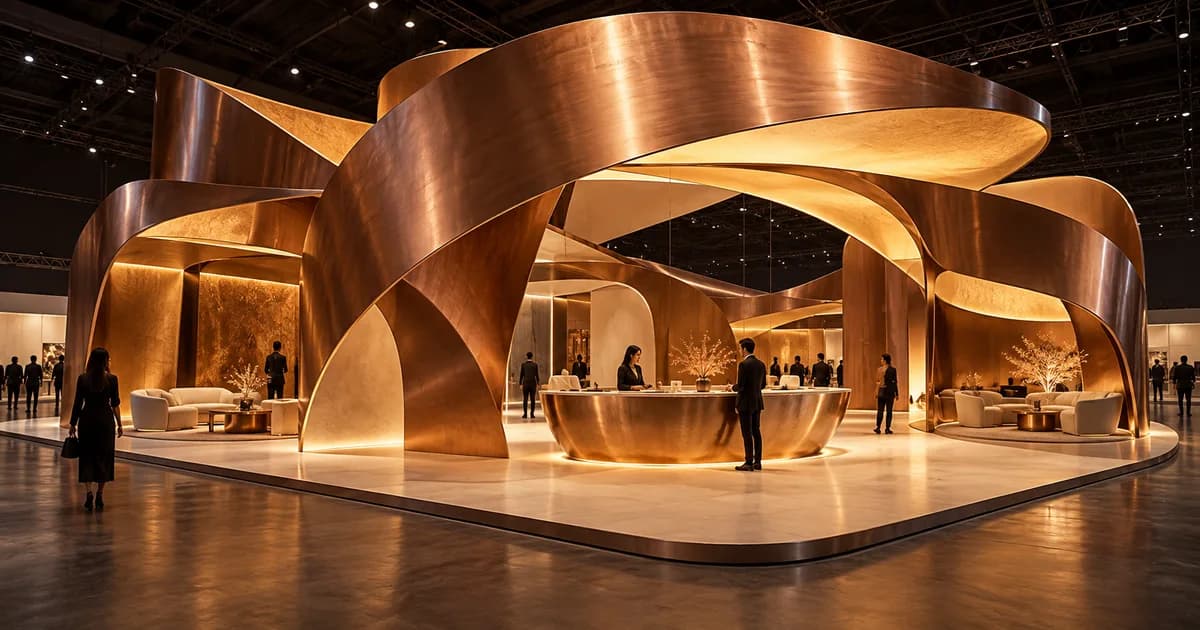
A spectacular entrance can win attention. It cannot, on its own, explain why a brand deserves it. The useful question behind experiential marketing trends in 2026 is no longer just what people will photograph. It is what they will discover, try or understand that they could not have learned from an advert. For brand teams, that changes the brief before it changes the design.
What is changing in experiential marketing?
The shift is from presenting a brand to giving people a meaningful role inside it. Amex GBT's 2026 forecast puts human connection and attendee experience alongside technology and measurement. Our interpretation: creative production earns its place when it helps an audience do something valuable, not simply when it adds another visual layer.
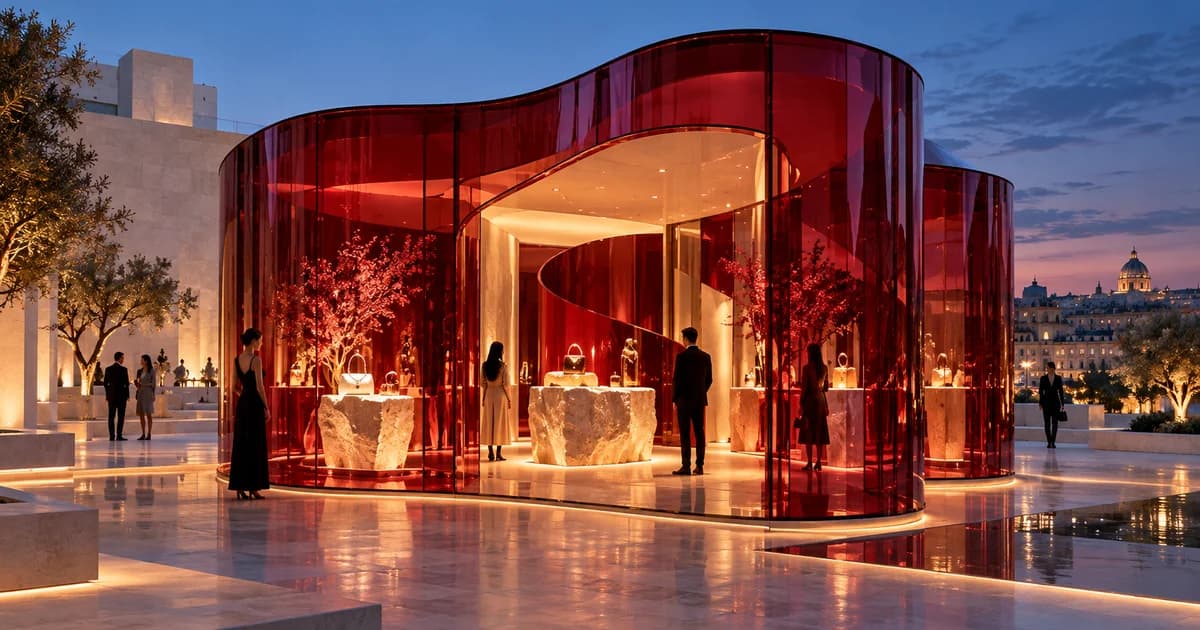
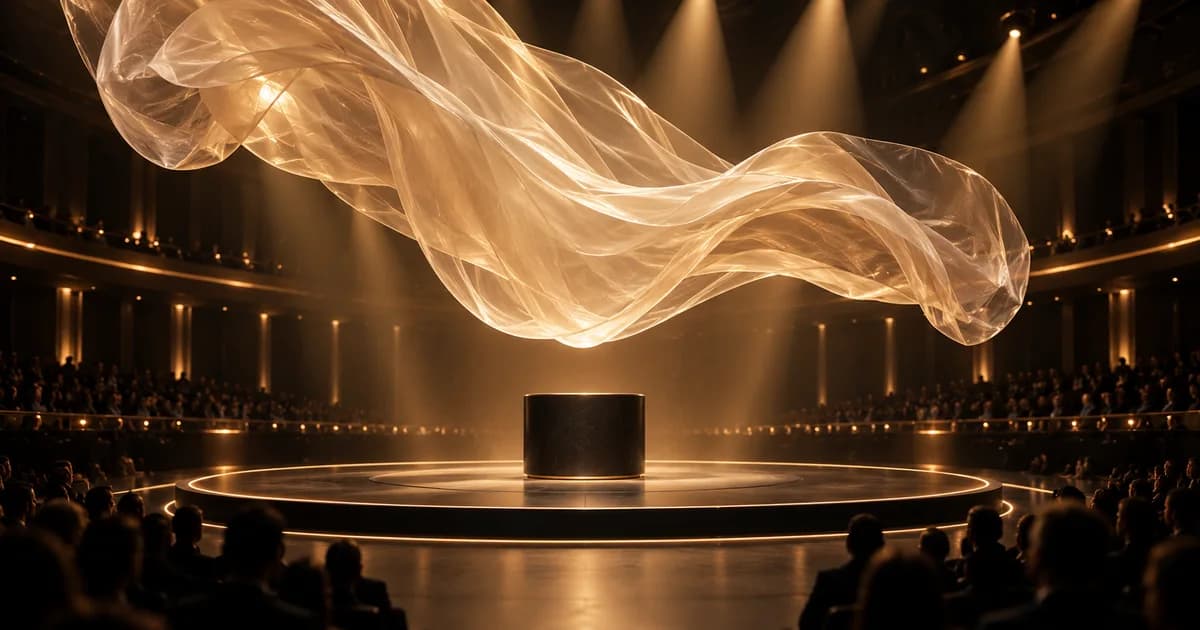
Consider a product launch. A theatrical reveal can introduce the object beautifully, but the next moment should answer a real question. How does it feel in use? Which problem does it solve? What makes this version different? A guided demonstration, a material comparison or an expert conversation can make the promise concrete. The setting gives that discovery emotional weight.
This is not an argument against spectacle. Scale, sound and light can establish a world in seconds. The distinction is between spectacle as an invitation and spectacle as the entire proposition. Ask what remains if a visitor puts their phone away. If there is nothing to explore, decide or experience, the concept needs another layer of purpose.
Start concept creation with the audience's reason to attend. Write it in language a guest might actually use: I want to compare, learn, meet, test or discover. Then write the brand's objective separately. Strong concepts find a credible overlap between those two needs rather than forcing the audience to perform the brand's marketing plan.
How do you turn visitors into participants?
Give visitors an understandable invitation, a manageable action and a worthwhile response. Participation does not have to mean a complicated game. Choosing a material, adding to a collective artwork or testing a feature can be enough. The task should explain itself through the environment, with a host available for anyone who wants support.
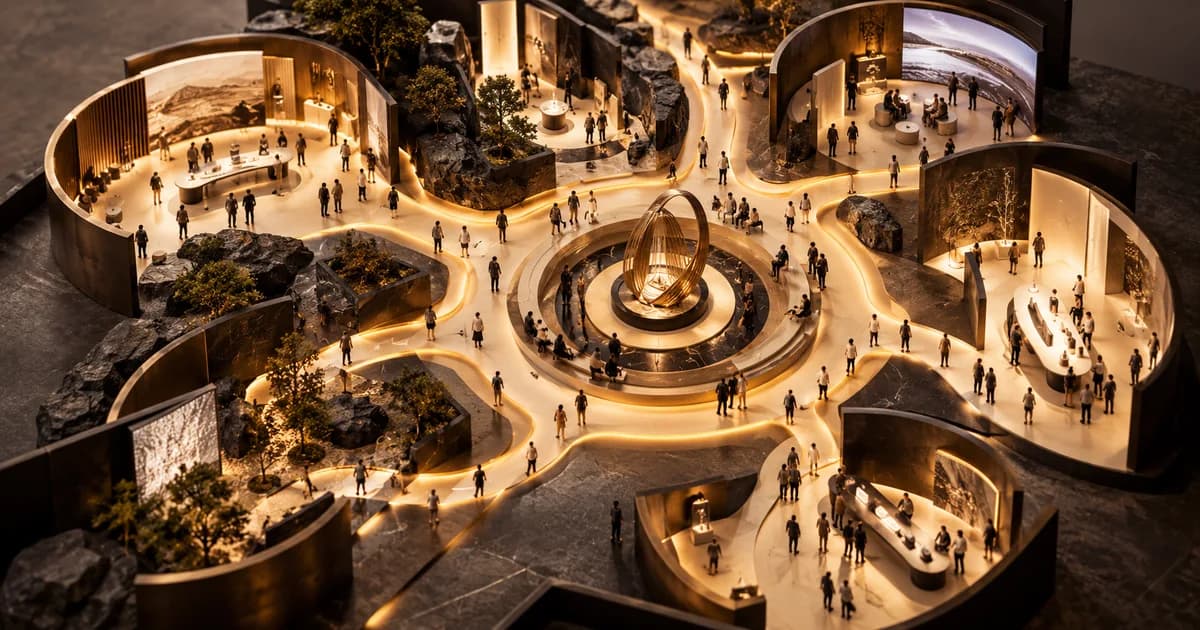
A useful planning tool is to sketch three routes through the same activation: a quick encounter, a deeper exploration and an expert conversation. These are options, not compulsory stages. Someone with limited time should still leave with the central idea. A more curious guest should be able to stay without blocking the entry or repeating the same content.
The operational design matters as much as the invitation. What happens while someone waits? Can a wheelchair user reach the same interaction? Can people understand the experience without sound? Does a host know when to explain and when to step aside? Test those conditions before adding more production detail. Accessibility and clarity belong in the creative brief, not in a final checklist.
Our planning recommendation is to treat waiting as a separate design problem. A queue is evidence of demand only if people still choose to stay. Add an alternative activity, make the waiting time clear and give visitors a graceful way out. For responsive installations, the same principle applies to AI brand activations: the system should serve the guest, not demand their patience.
Measure the action, not just the audience
Choose the success measure before choosing the headline installation. Footfall answers how many people passed through; it does not explain whether the right people understood the proposition. A campaign intended to support product trial needs different evidence from a developer's destination launch or an internal culture event. Define the decision the final report should help you make.
For a product demonstration, track how many relevant visitors start and complete it. For a relationship-led event, record the quality of conversations using agreed criteria. For a retail activation, connect engagement with an appropriate next action, such as a consultation or a consented follow-up. Keep raw visits separate from meaningful participation so the report does not hide friction behind a large total.
A practical measurement brief has four parts: objective, observable action, collection method and owner. That structure is our recommendation, not a universal industry benchmark. Assign someone to collect the information on site, and decide how it will be reviewed afterwards. Data that no one can reliably gather during a busy event should not be the foundation of the reporting plan.
Be careful with attribution. A purchase after an event may also reflect existing loyalty, advertising or a promotion. Report what was observed and separate it from what is inferred. Where feasible, compare like-for-like periods or audiences. Avoid publishing dramatic return-on-investment figures that ignore production, staffing, transport or the cost of following up. Honest reporting makes the next brief more useful.
What should a 2026 activation brief include?
Include the audience need, the central brand promise, the interaction and the evidence of success. Then add the physical conditions: venue, weather exposure, accessibility, power, staffing, load-in and removal. A precise brief gives creative and production teams room to solve the same problem. A list of desired technologies does not provide that shared direction.
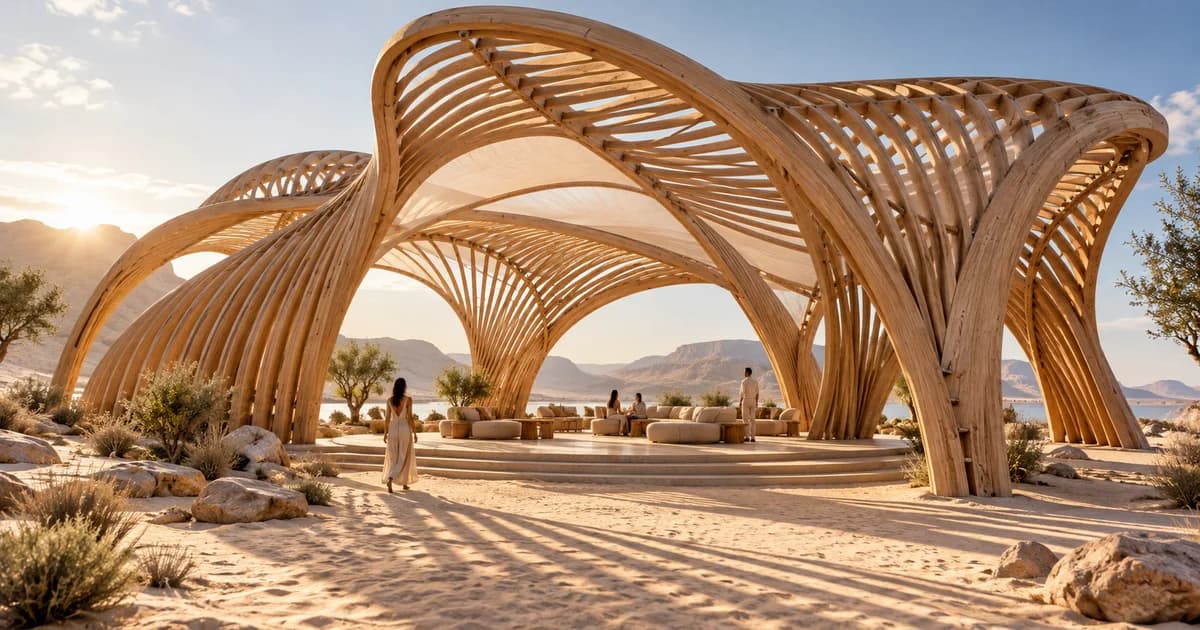
For an outdoor activation in Cairo or a seasonal destination, plan the guest journey around the actual site. Inspect shade, glare, sound spill, dust, route distances and evening light. Do not assume a render will predict the experience at operating hours. A beautiful surface that becomes unreadable in sunlight is not a minor finishing issue; it changes whether the interaction works.
Plan the final encounter as carefully as the arrival. Visitors should know what to do next without being pressured into a transaction. That may be a useful product resource, an appointment, or simply a clear way to revisit the idea. A physical token can work if it carries meaning. A generic giveaway adds little when it has no connection to the experience.
The strongest takeaway is simple: give attention somewhere useful to go. Start with one audience action, make the supporting world distinctive, and test the real sequence before opening. Explore experiential marketing for the broader delivery scope, or consider how reusable event design can let the same concept develop across several appearances.
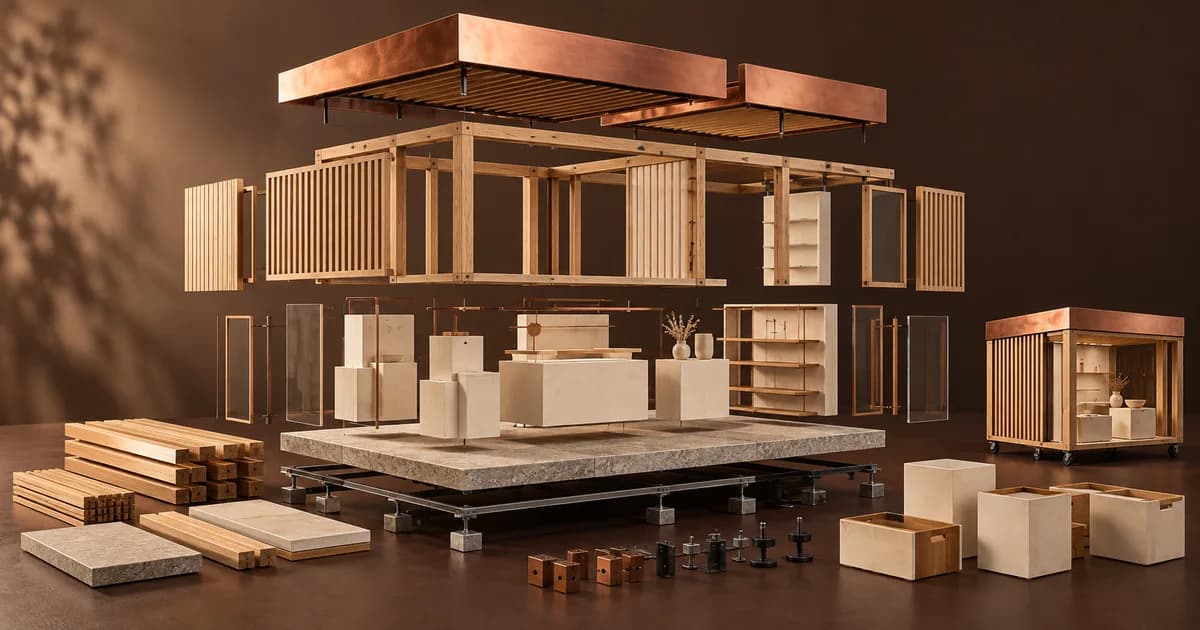
To turn those principles into a report, use the event ROI measurement guide. It separates audience activity, qualified follow-up and attributed contribution, with a worked example showing which costs belong in the calculation. Set those definitions before the event so the final number answers the original brief.
Frequently asked questions
What is experiential marketing?
+
Experiential marketing lets people encounter a brand through an activity, environment or live interaction. The audience does something rather than only receiving a message. Product trials, pop-ups, installations and hosted events can all fit. The defining feature is the connection between the guest's experience and a specific brand promise.
Does an effective activation need expensive technology?
+
No. A useful demonstration or well-hosted conversation can carry the idea without a digital layer. Start with the desired guest action and evaluate whether technology improves it. If the same outcome is clearer, more accessible and more reliable with a physical interaction, the simpler option deserves serious consideration.
Which metrics should a brand activation track?
+
Track metrics that match the brief: relevant visitors, completed trials, qualified conversations, appointment requests or consented follow-up actions. Keep attendance and engagement separate. Agree on definitions before the event, include delivery costs, and distinguish observed outcomes from assumptions about what caused them. There is no single success threshold for every activation.
experiential marketing trendsbrand activationsevent engagementbrand experience design
Editorial note: research is linked where cited. Recommendations are planning guidance, not reported XR client outcomes. International findings are not presented as Egypt-specific market data.
Explore experiential marketing